
When you are dealing with food or you are in a food related business, keep your Hygiene standards high. First of all you have to understand what food hygiene is ? or what happen when you compromise with your Hygiene standards ? Ratings starts to fall on ground, isn’t it true. People starts criticizing or write stuff like you are not handling food properly they get sick after eating food from your restaurant or from your food shop. So be more serious about it because it can be fatal to someone. 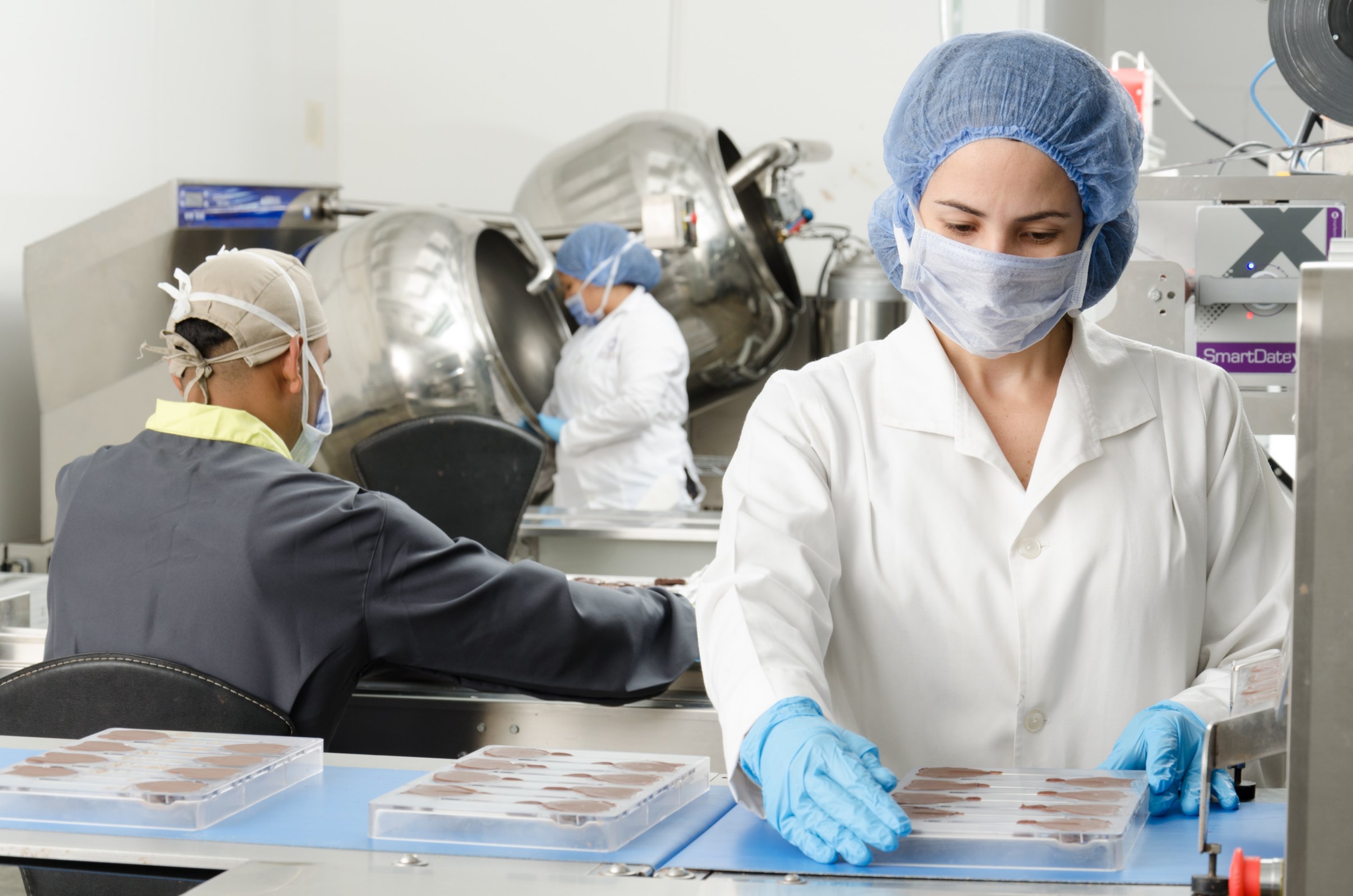 In my last topic we talked about most food born disease is caused by bacteria. As we learned bacteria can’t move on their own, most food-born disease is spread by food handlers because of their poor Hygiene habits. We defined contamination as harmful substances not originally present in the food. Some contamination occurs before we receive the food, which means proper purchasing and receiving procedures are important part of a sanitation program, but most food contamination occurs as a result of cross-contamination, defined as the transference of hazardous substances, mainly microorganisms, to a food to another food or another surface, such as equipment, worktable or hands. In other words you can specify food hygiene & food safety as handling, preparing, purchasing and storing food or drink in a way that reduces the risk of consumers becoming sick from the food-born disease. The main focus of food safety is to prevent food from becoming contaminated from farm to plate and causing food poisoning. So we have to understand that food hygiene is important at home as well as in the restaurant, retail store or food factory. Examples of situations in which cross-contamination can occur include the following :-
- Handling ready to eat foods with unclean hands or without gloves.
- Mixing contaminated left overs with freshly cooked food.
- Cutting raw meat then using the same chopping board, unsenitized to cut vegetables.
- Placing raw fish or meat with ready to eat food or with other food.
- Personal Hygiene :- The first step is probably the most important in term of eliminating cross contamination. Hand washing and clean hands awareness are critical to food safety.
- Cleaning & Sanitising :- The second step in creating a food safety system is the fundamental aspect of cleaning and sanitising.
- Temperature Control :- The third step of food safety is a fundamental principal in preventing the growth of bacteria and ensuring the quality of food is maintained by maintaining correct temperature and keeping record of temperature on regular basis.
- Food Storage :- The fourth step can be categorised into two areas : a. Perishables, Dairy, Meat and Eggs ( Cold storage ) b. Dry Goods.
- Food Handling :- The fifth and final step of food safety is related to how you handle the food during storage and preparation.
Procedure for Washing Hands
- Wet your hands with hot running water. Use water as hot as you can comfortably stand, but at least 100°F (38°C).
- Apply enough soap to make a good lather.
- Rub hands together thoroughly for 20 seconds or longer, washing not only the hands but the wrists and the lower part of the forearms.
- Using a nail brush, clean beneath the fingernails and between the fingers.
- Rinse hands well under hot running water. If possible, use a clean paper towel to turn off the water to avoid contaminating the hands by contact with soiled faucets.
- Dry hands with clean single-use paper towels or a warm-air hand dryer Use of Gloves If used correctly, gloves can help protect foods against cross-contamination. If used incorrectly, however, they can spread contamination just as easily as bare hands. Health departments in some localities require the use of some kind of barrier between hands and any foods that are ready to eat—that is, foods that will be served without further cooking. Gloves, tongs, and other serving implements, and bakery or deli tissue can serve as barriers. To be sure gloves are used correctly, observe the following guidelines.
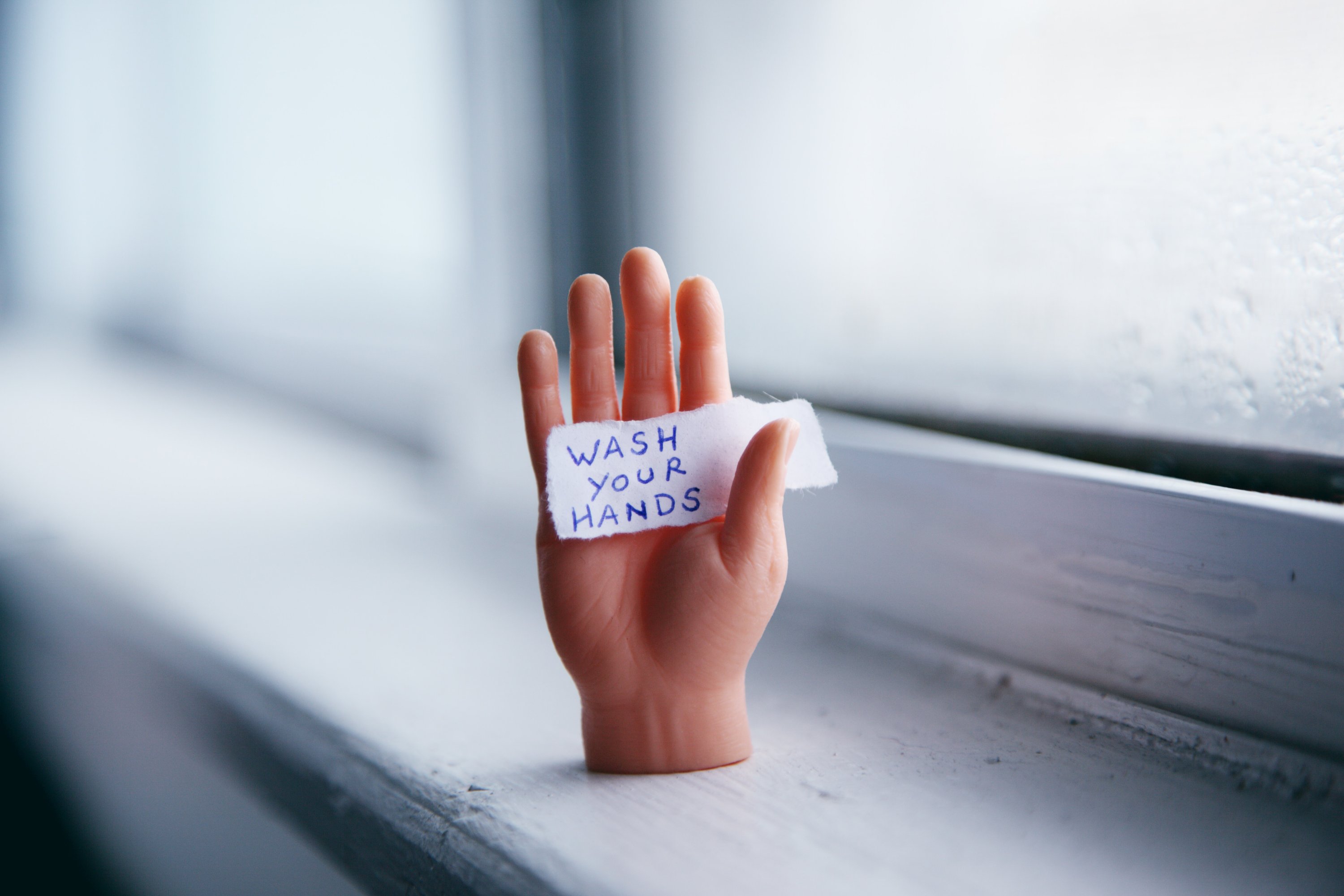
- Wash hands before putting on gloves or when changing to another pair. Gloves are not a substitute for proper hand washing.
- Remove and discard gloves, wash hands, and change to a clean pair of gloves after handling one food item and before starting work on another. In particular, never to fail to change gloves after handling raw meat, poultry, or seafood. Gloves are for single use only. Remember the purpose of using gloves is to avoid cross-contamination.
- Change to a clean pair of gloves whenever gloves become torn, soiled, or contaminated by contact with an unsanitary surface.
 Culinary Notes
Amazing Information.
LikeLike